10 Tips for Buying Baseball Bats Wholesale
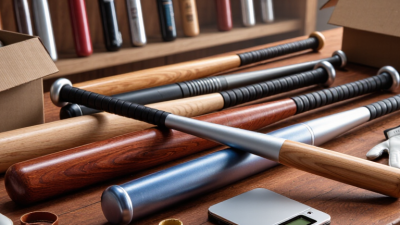
Buying Baseball Bats wholesale can reduce costs, but a low price alone does not guarantee a profitable purchase. Retailers, coaches, and team managers must examine performance, safety, consistency, and supplier reliability. A bat may look excellent in a catalog yet feel poorly balanced in a player’s hands. Small errors matter.
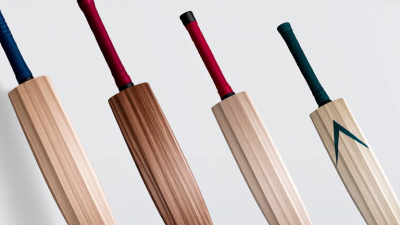
This guide presents ten practical tips for making a more informed wholesale decision. It covers bat materials, length-to-weight ratios, barrel sizes, grip comfort, durability, and league approval requirements. Wood bats need careful inspection for grain quality, while alloy and composite bats require dependable specifications and testing information. Always request product samples before placing a large order. A sample can reveal vibration, finish quality, packaging weaknesses, and actual weight differences.
Supplier experience also deserves close attention. Review factory documentation, customer feedback, warranty terms, minimum order quantities, and delivery records. Ask whether each model carries the certifications required by its target league or market. Requirements can vary, so do not rely on vague claims. Written specifications are safer than promises made in a quick message.
Wholesale planning involves more than unit cost. Include shipping, storage, replacement rates, branding fees, and possible seasonal demand. A slightly more expensive bat may create fewer returns. That is not guaranteed, though. Even experienced buyers can misjudge demand or overlook small specification changes. Compare several suppliers, record every detail, and test decisions against real customer needs. Reliable purchasing comes from evidence, careful questions, and a willingness to reconsider assumptions.
Read more »
 By:Oliver
- October 15, 2026
By:Oliver
- October 15, 2026
 By:Amelia
- October 10, 2026
By:Amelia
- October 10, 2026
 By:Ethan
- October 5, 2026
By:Ethan
- October 5, 2026